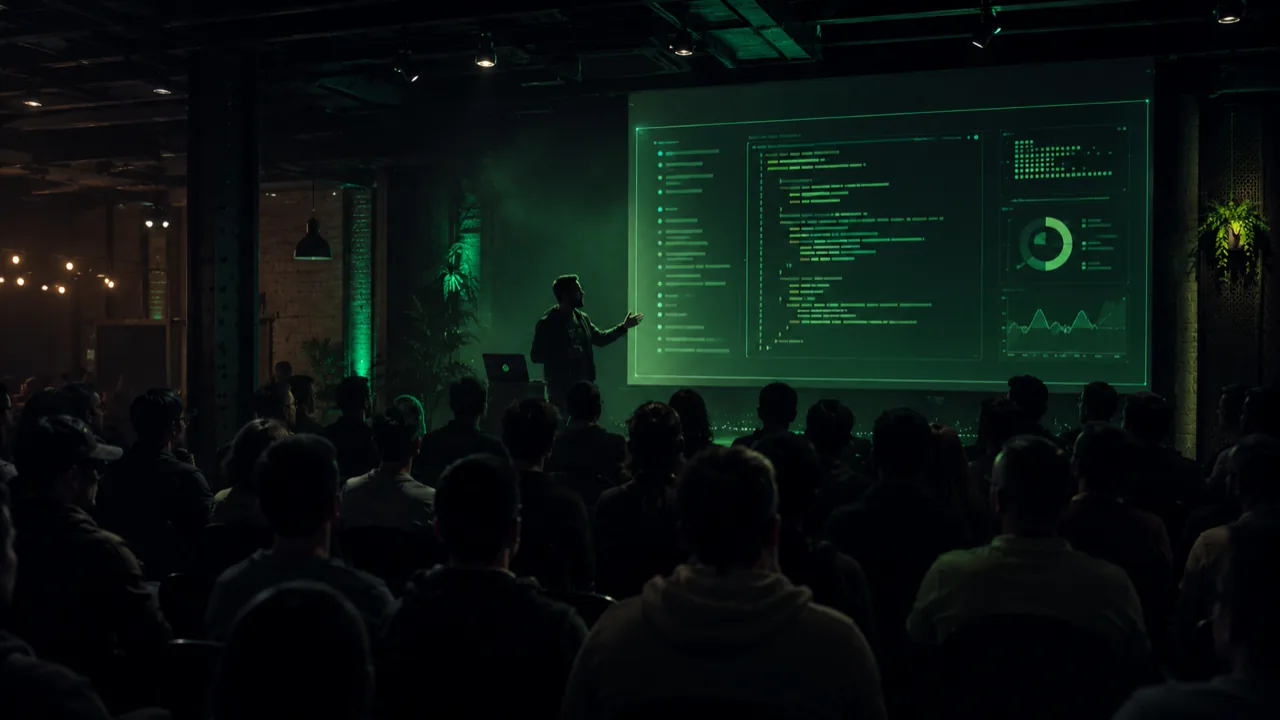
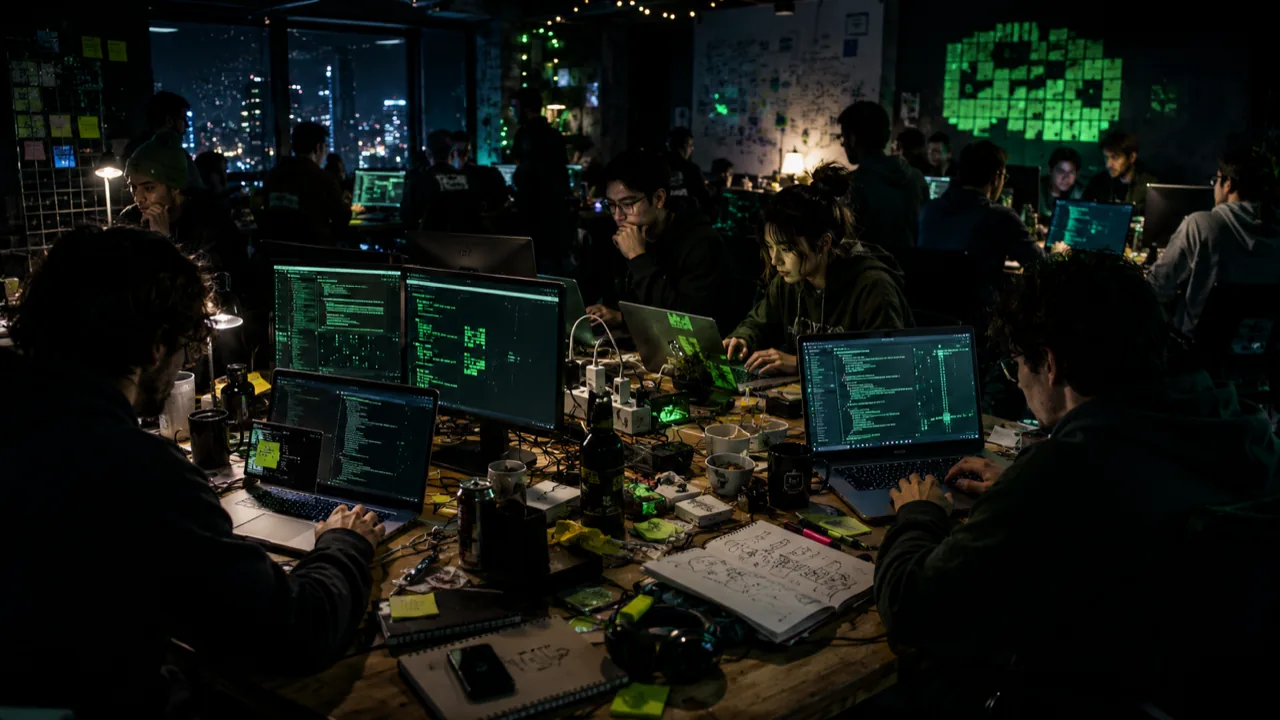
You know the feeling. It's Sunday evening at a hack day, your team's demo just landed, people clapped, and you're buzzing on caffeine and the strange joy of having built something real in 36 hours. Then Monday comes, work resumes, and the project quietly dies in a repo nobody ever opens again. Most hack-day builds end exactly there. A few don't, and the difference between the two has fascinated me for years.
The format itself is brilliant at starting things. The trick — the part nobody runs a workshop on — is what happens after the lights come up.
Why the format works in the first place
There's a reason this ritual has spread across the industry. A constrained burst of time, a team, and permission to ignore the usual rules produces a particular kind of energy. If you trace the hackathon format back, it grew out of exactly this insight: that scarcity of time forces decisions, and forced decisions produce momentum that careful planning rarely matches. You ship because you have no choice but to ship.
That pressure is the gift. Freed from the fear of doing it perfectly, you do it at all. You cut scope ruthlessly, you make ugly choices that work, and you end up with a rough thing that actually exists — which is infinitely more than the polished thing that lives only in a planning document. The hack day is a machine for crossing the hardest line in any project: the one between nothing and something.
The Sunday-night cliff
But the same intensity that starts things makes them hard to continue. The build was powered by a deadline, a team, and a special carved-out weekend — and on Monday all three vanish. There's no deadline, your teammates scatter back to their day jobs, and the carved-out time collapses back into a normal life that was already full. The project doesn't die from lack of merit. It dies from lack of scaffolding.
The ones that survive, in my experience, do one specific thing in the first week: they shrink the ambition to fit reality. The team that says "we'll keep building the whole platform" loses, because the whole platform needed the hack-day energy that's now gone. The team that says "let's just get the one useful piece in front of five real users" wins, because that goal fits the small, regular slices of time that ordinary weeks allow.
From burst to rhythm
Turning a build into a habit means trading intensity for rhythm. Instead of another heroic weekend, you find a sustainable cadence — an hour on Tuesday evenings, a Saturday morning, whatever you can actually hold. The magic of a habit is that it doesn't rely on motivation, which is the thing that evaporated on Sunday night. It relies on a slot in the calendar that you protect even when you don't feel inspired.
It also helps enormously to have one real user, even if that user is you. A hack-day project with someone waiting for the next version has gravity; one with no audience drifts. The deadline pressure that the event supplied artificially gets replaced by the gentle, genuine pressure of not wanting to let a real person down. That's a renewable fuel where caffeine and adrenaline are not.
So enjoy the buzz of the weekend — it's one of the best feelings this job offers. But if you want the thing to live past Sunday, don't try to bottle the intensity. Shrink the scope, find one user, book a recurring hour, and let the boring rhythm of a habit carry what the thrilling sprint of a hack day could only start.